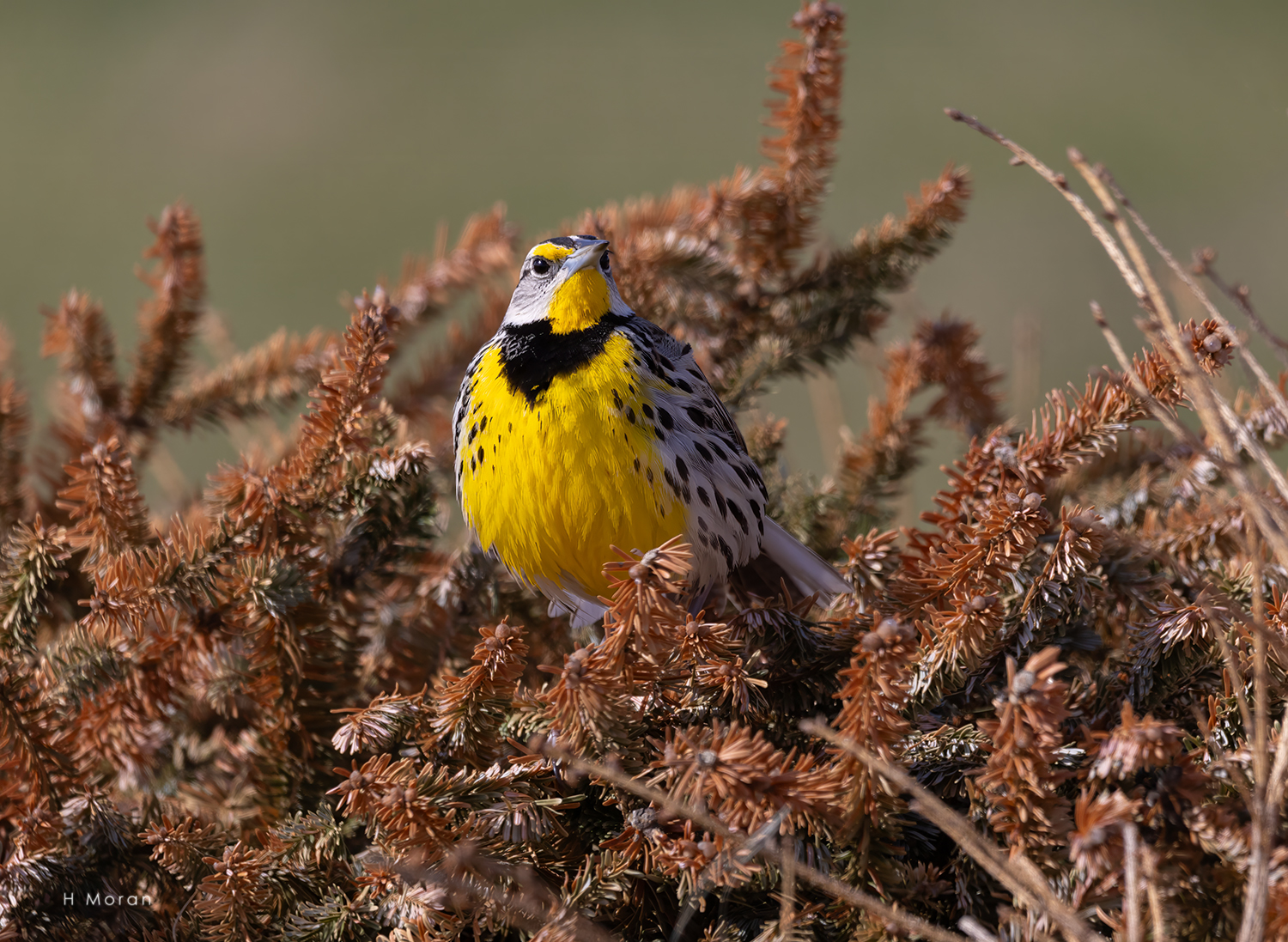
The Wonder Behind a Photograph
There are many things that can make a photograph good.
Composition matters. Light matters. Color, focus, perspective and timing all matter. Sometimes it is the subject itself that makes an image compelling – a magnificent bird, a dramatic landscape, an unexpected moment that exists for only a fraction of a second.
Photography has rules, and learning those rules can make us better photographers.
But I have come to believe that there is something more important than all of them.
A good photograph may catch your eye. A great photograph captures your sense of wonder.
That distinction has become increasingly important to me.
When I look at a photograph, I don’t want to simply see what the photographer saw. I want to experience something that goes beyond the image. I want to pause. I want to look again. I want to ask questions.
How did this happen?
How did the light find this particular feather?
Where has this bird been? Where is it going?
How can something so small possess such extraordinary beauty?
And sometimes, the questions become much larger.
Why is there such beauty in the world?
What am I really looking at?
Perhaps that is where photography becomes something more than the act of recording an image.
It becomes an invitation to see. Bird photography has taught me this in ways I never expected.
When I first began photographing birds, I was primarily concerned with getting the photograph. I wanted the bird to be sharp. I wanted the background to be clean. I wanted the light to be right and the composition to be pleasing.
But the longer I photographed birds, the more I realized that the photograph was only part of the experience.
The real gift was being there.
Waiting quietly before sunrise. Hearing the first birds begin to call. Watching the changing light move across the landscape. Watching patiently for a bird that may appear for only a few seconds.
And then, suddenly, it is there.
A tiny creature with feathers so intricately designed that no two seem quite the same. An eye reflecting the morning light. A bird that may have traveled hundreds or thousands of miles to arrive at the very place where I am standing.
For a moment, everything else disappears. I am no longer thinking about the camera. I am simply looking.
And wondering. That sense of wonder is what I hope to preserve in my photographs. Not merely the appearance of a bird, but something of the mystery surrounding it. Because the more closely I look at nature, the less ordinary it becomes.
We tend to become accustomed to beautiful things. We see a cardinal in the backyard and call it a cardinal. We see a butterfly and call it a butterfly. We see a sunrise and call it morning.
But perhaps familiarity is one of the greatest enemies of wonder. Please don’t miss that.
Photography gives us an opportunity to interrupt that familiarity. A camera can make us stop and look at something we thought we already knew. It can reveal the delicate structure of a feather. The translucent edge of a butterfly’s wing. The tiny details in a bird’s eye. The patterns of light and shadow that exist for only an instant. And suddenly, the familiar becomes mysterious again.
That is what I believe a great photograph can do.
It can find the extra in the ordinary.
It can remind us that we live in a world filled with things we have stopped noticing. And for me, that has become one of the deepest reasons I photograph birds. I don’t believe nature is merely beautiful.
I believe it reveals.
The longer I spend in nature, the more I find myself thinking about the words of Scripture: “The heavens declare the glory of God; the skies proclaim the work of his hands.”
Perhaps a photograph cannot prove anything about God. But it can make us look. And sometimes looking is where faith begins.
A photograph of a bird does not have to contain a religious symbol to be spiritual. Sometimes the spirituality is in the act of paying attention.
To stop.
To notice.
To marvel.
To recognize that something as seemingly insignificant as a sparrow has been given a place in this vast and complicated world.
Jesus himself used birds to teach us about something much greater than birds. He told his followers to consider them – to look at them closely – and to understand from their existence something about the care of their Creator.
Maybe that is what wonder does. It moves us from simply seeing something to considering it. And consideration can become gratitude. Gratitude can become humility. And humility can become worship.
This is why I don’t think the ultimate goal of photography is perfection.
Perfection is measurable. Wonder isn’t.
You can measure sharpness. You can measure exposure. You can evaluate composition. But you can’t put a number on the moment when someone looks at a photograph and becomes still. You can’t measure the moment when an image causes someone to remember something they had forgotten. You can’t calculate the value of a photograph that makes someone feel connected to the natural world.
And you certainly can’t measure the moment when a photograph causes someone to look beyond the photograph itself.
That, to me, is the difference between taking a picture and making a photograph. A picture records a moment. A photograph can invite us into it. And the very best photographs may even invite us beyond it.
They leave something unresolved.
They leave room for imagination.
They leave room for questions.
They leave room for wonder.
Maybe that is why the photographs I remember most aren’t necessarily the ones that were technically perfect.
They are the ones that made me stop.
The ones that made me feel something.
The ones that made me look twice.
The ones that made me wonder.
Because in the end, perhaps the greatest compliment we can give a photograph isn’t “That’s a beautiful picture.” Perhaps it is simply:
“I wonder.”
And maybe that is the real purpose of photography – to remind us that there is still much in this world worth wondering about.