Reflections on Photography, Life, and Faith
Introduction to this series of reflections
For the last 50 years, I thought photography was about capturing what was in front of me.
Find the subject. Find the light. Compose the frame. Focus. Press the shutter.
Over time, I discovered that I had it backwards. Photography isn’t really about capturing what we see.
It is about learning how to see.
That distinction has changed everything for me.
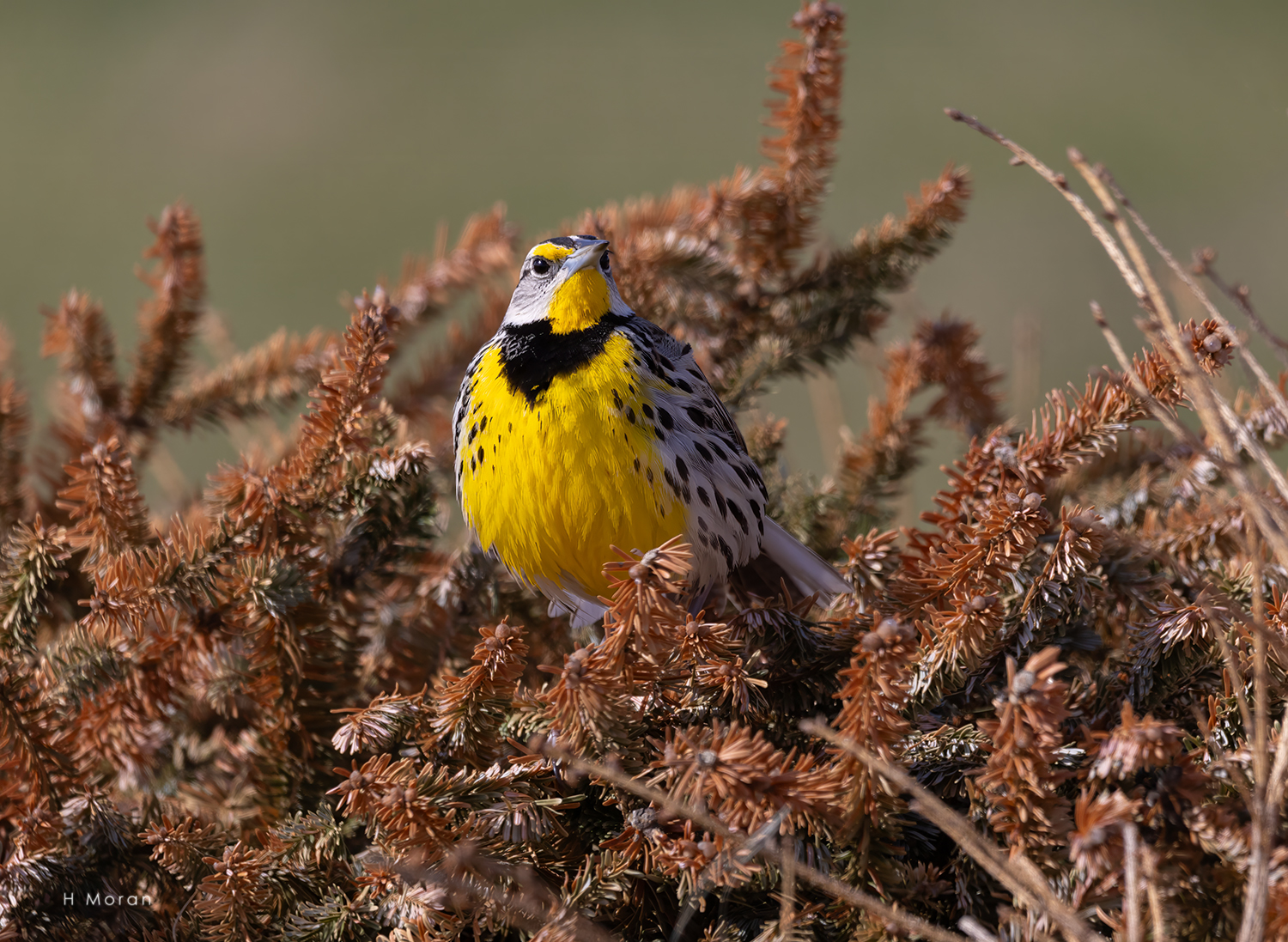
I have spent years looking through a camera, first at landscapes and later at birds and butterflies. (Read My Second Flight Story here) I’ve learned about light and composition, shutter speeds and lenses, backgrounds and exposure. I’ve spent countless hours waiting for a bird to appear, hoping that for just one brief moment everything would come together.
Sometimes it does. Often it doesn’t.
But somewhere in all that waiting, I began to discover something I hadn’t been looking for.
Wonder.
A bird would appear in the morning light, and I would find myself looking beyond the photograph I was trying to make. I would wonder where the bird had come from, where it was going, how it knew where to go, and how something so small could possess such remarkable beauty and resilience.
The camera had given me a reason to stop.
Stopping gave me a reason to notice.
Noticing led to wonder.
And wonder gradually changed the way I looked at the world.
That is what this collection is about.
These principles didn’t arrive all at once. They grew out of years of photographing, waiting, failing, trying again, observing, learning and, perhaps most importantly, paying attention. (Which is hard for a neurodivergent guy!)
They are lessons I have learned – or am still learning – from birds, butterflies, flowers, landscapes, unexpected moments and the simple act of looking closely.
Some are about nature and photography, but most are really about life.
I’ve learned that the ordinary is rarely ordinary when we take the time to truly see it.
I’ve learned that patience isn’t simply the willingness to wait; it is the willingness to remain attentive while we wait.
I’ve learned that beauty doesn’t require perfection.
I’ve learned that every photograph tells only part of a story, and that every person we encounter is carrying a story we may not be able to see.
I’ve learned that obstacles can change our path without having to end our journey.
I’ve learned that beginning again – whether at twenty, forty, sixty-three, or any other age – isn’t necessarily a retreat from the life we’ve lived. Sometimes it is an invitation into something we could not have imagined before.
And I’ve learned that wonder has a way of leading somewhere.
For me, it has often led to gratitude. And gratitude has often led to faith.
The longer I spend in nature, the more difficult it becomes for me to believe that beauty is something I should simply take for granted. A bird’s feather, a butterfly’s wing, the architecture of a flower, the changing light of a morning – all of them seem to whisper that there is more here than what first meets the eye.
The psalmist wrote, “The heavens declare the glory of God; the skies proclaim the work of his hands.”
I have come to understand those words differently through a camera. I don’t mean that every photograph is a sermon. It isn’t. A photograph can simply be beautiful. But sometimes beauty makes us ask questions.
And sometimes those questions take us beyond the photograph. Perhaps that is why I believe a great photograph is different from a merely good one.
A good photograph catches our eye. A great photograph makes us pause.
It makes us look again. It makes us feel something. It makes us wonder. And perhaps the greatest gift of wonder is that it reminds us that we don’t know everything.
There is still mystery. There is still beauty. There are still things worth discovering.
In a world that often seems determined to move faster and faster, learning to see may be an act of resistance.
To stop.
To listen.
To observe.
To notice the bird on the branch instead of walking past it.
To see the butterfly with the damaged wing instead of dismissing it as imperfect.
To recognize beauty in something familiar.
To appreciate a moment that will never happen in exactly the same way again.
These are small things. But perhaps our lives are ultimately shaped by small things.
A photograph freezes a moment, but life doesn’t.
The bird flies away.
The light changes.
The season passes.
The flower fades.
The moment is gone.
All we can do is pay attention while it is here.
That may be the greatest lesson photography has given me.
We cannot hold on to every moment. But we can learn to see the moments we are given.
The Reflections that follow are an attempt to put some of those lessons into words. They are not rules for becoming a better photographer. They are invitations to become a more attentive observer to photography, to nature, to other people, to our own lives, and perhaps to the Creator who stands behind it all.
If these reflections accomplish anything, I hope it is this:
That you might put down whatever is demanding your attention for just a moment.
Look outside.
Look closely.
Notice something you have seen a hundred times.
And then look again.
Because sometimes the greatest discovery isn’t finding something new. It is finally seeing what has been there all along.
Click here to view all 12 Reflections in this series.